A Better Option for Lumbar Spinal Stenosis
The Mild® Procedure
March 17, 2024
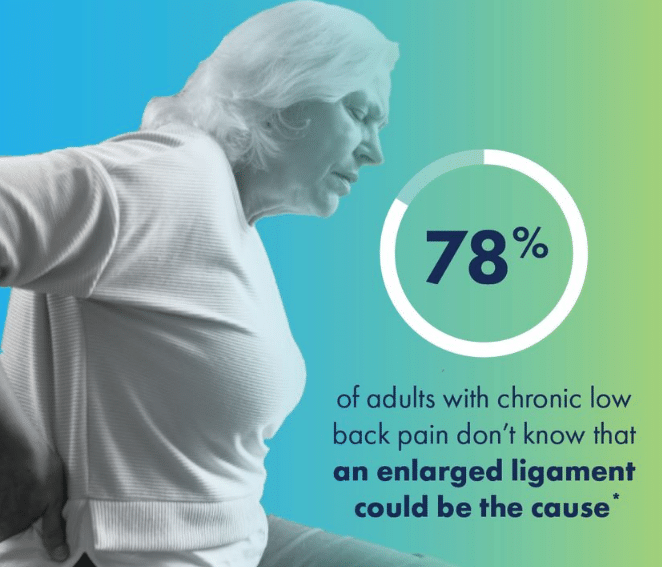
The Vertos mild® procedure is a minimally invasive surgical technique designed to relieve symptoms of lumbar spinal stenosis (LSS), a condition where the spinal canal narrows and compresses the spinal cord and nerves in the lower back. This compression can lead to symptoms such as pain, numbness, and weakness in the lower back, buttocks, and legs, especially when walking or standing for long periods. Individuals often say that their pain is relieved by leaning forward, as if they were pushing a shopping cart or simply sitting down.
For Patients
Benefits:
- Less Pain and Faster Recovery: Unlike traditional back surgery, the mild® procedure requires no general anesthesia, stitches, or a long recovery period. Most patients can return to their normal activities within a short time.
- Outpatient Procedure: It’s done in an outpatient setting, meaning you can go home the same day. Usually done with IV sedation or local anesthesia.
- Improved Mobility: Many patients report significant improvements in mobility and a decrease in the symptoms of lumbar spinal stenosis, such as pain and difficulty walking.
Risks:
- Infection: As with any procedure, there is a risk of infection, though it’s minimal due to the procedure’s minimally invasive nature.
- Bleeding or Nerve Damage: There’s a small risk of bleeding or nerve damage, but these are rare due to the technique’s precision.
- No Guarantee of Symptom Relief: While many patients experience relief, results can vary, and some may not see significant improvements.
Efficacy:
- Studies and patient reports indicate that the mild® procedure can effectively reduce pain and improve mobility in patients with lumbar spinal stenosis. However, outcomes can depend on individual patient factors, including the severity of their condition and overall health.
For Medical Professionals
Benefits:
- Minimally Invasive: The procedure involves making a small incision and using specialized instruments to remove small portions of bone and excess ligamentum flavum, which are contributing to the spinal canal narrowing, without destabilizing the spine.
- Low Morbidity: Given its minimally invasive nature, the procedure is associated with lower morbidity compared to open surgical techniques. It offers an alternative to patients who may not be candidates for more invasive surgery or cannot tolerate general anesthesia.
- Rapid Recovery and Ambulation: The mild® procedure allows for immediate post-procedural ambulation and a rapid return to daily activities, facilitating outpatient management and reducing healthcare costs.
Risks:
- Procedure-Related Complications: While significantly lower than traditional surgery, risks include infection, hematoma formation, and the potential for dural tear or nerve root irritation/damage, albeit at a very low incidence rate.
- Recurrence of Symptoms: There is a possibility of symptom recurrence over time, necessitating additional interventions.
Efficacy:
- Clinical Outcomes: Multiple studies have demonstrated the efficacy of the mild® procedure in improving patient-reported outcomes, including reduced pain and enhanced function. The procedure has been shown to effectively decompress the affected spinal segment and improve quality of life.
- Safety Profile: The safety profile of the mild® procedure is favorable, with a low complication rate reported in the literature. It represents a viable option for patients with LSS, particularly those who are high-risk surgical candidates or have failed conservative management.

In conclusion, the Vertos mild® procedure offers a promising option for treating lumbar spinal stenosis with a minimally invasive approach. Its benefits of reduced recovery time, lower risk profile, and effectiveness in relieving symptoms make it an attractive alternative to traditional surgery, especially for patients seeking less invasive options or those who may not tolerate more extensive/invasive procedures well.

Find Pain Relief
Schedule an appointment with one of our pain specialists by completing our appointment request form or calling us at 219-836-7246.
